



For Gatineau families who need reliable, curriculum-aligned help in French or math, a vetted online tutor offering a personalised learning plan is the fastest way to see real progress. Réussite A+ provides exactly that: university-level tutors, flexible scheduling, and exam-prep sessions built around Quebec’s curriculum.
TL;DR:
- Vetted online tutors familiar with Quebec’s curriculum can match students within days, offering a faster and more reliable option than local listings.
- Rates for certified teachers are higher, averaging $30 to $35 per hour, while group lessons are cheaper but progress may be slower for struggling students.
- Selecting a tutor requires verifying curriculum experience and scheduling a trial session to assess teaching clarity and compatibility before committing.
- Short-term exam prep benefits from focused practice, practice under exam conditions, and spreading study hours over several weeks, not cramming.
- Free or subsidized tutoring may be available through school or community programs, especially for students with identified learning needs.
Table of Contents
- Where to find tutoring in Gatineau right now
- What tutoring in Gatineau actually costs
- How to choose the right tutor for your child
- Preparing for entrance and ministerial exams
- Why personalised, university-level tutoring tends to work better
- Getting started with Réussite A+ in Gatineau
- Sources
- FAQ
Where to find tutoring in Gatineau right now
You have four realistic routes, and each one suits a different situation.
Vetted online tutoring services move fastest because the screening is already done. You skip the guesswork of checking credentials yourself, and most services match your child with a tutor within days rather than weeks. Some online tutoring services are specifically built around Quebec’s curriculum and secondary entrance exams.
Tutor marketplaces and local classified listings give you a wider pool and visible pricing upfront, but vetting standards vary a lot from one listing to the next. You are doing more of the legwork: checking references, confirming subject depth, and sometimes negotiating rates directly with the tutor.
School referrals and community programs are worth a call before you pay for anything. Many Gatineau schools keep informal lists of tutors former students have used, and the Gatineau municipal portal lists family and education resources, some low-cost or free.
The in-person versus online decision usually comes down to logistics, not quality.
- In-person works well for younger kids who need physical presence to stay focused, but you are limited to whoever is nearby and available on your schedule.
- Online opens up a much larger pool of qualified tutors and cuts out drive time, which matters most during exam season when every hour counts.
- Curriculum-aligned French tutoring, the kind TutorOne and similar services describe for Secondary 5 and CEGOP pathways, is now widely available online, so geography is less of a constraint than it used to be.
What tutoring in Gatineau actually costs
Hourly rates depend heavily on who is teaching. A near-peer tutor, often a strong high school or university student, tends to charge the least but usually lacks formal teaching training. A certified classroom teacher charges more and brings pedagogical experience, though availability outside school hours is limited. University-level subject tutors sit in the middle: strong content knowledge, structured methodology, and more consistent availability than a working teacher.
Réussite A+ prices its regular sessions, homework help, French and math programs, and exam-prep sessions at $30 to $35 per hour, plus a one-time $65 registration fee.
A few things move the price beyond the base rate:
- Exam-prep sessions often run at the higher end of a tutor’s range because of the specialised material involved.
- Longer or more frequent sessions sometimes qualify for package pricing, lowering the average cost per hour.
- Group lessons cost less per student than one-on-one, though progress tends to be slower for a struggling learner.
- School-run or community programs are frequently free or subsidised, worth checking before committing to a paid service.
How to choose the right tutor for your child
Start with subject depth and curriculum familiarity, not just a friendly personality. A tutor who knows Quebec’s math and French programs inside out will waste less time figuring out what your child’s teacher expects.
Ask these questions in the first ten minutes of any consultation:
- What is your experience with the Quebec curriculum at my child’s grade level?
- Can you describe how you would structure the first three sessions?
- How do you track and report progress to parents?
- What happens if my child isn’t clicking with your teaching style?
- Do you have references from other Gatineau families?
Watch for red flags: no verifiable references, a vague or generic lesson plan that could apply to any student, or pressure to prepay for a large block of sessions before a single trial lesson happens.
Pro Tip: Book one trial session before committing to a package. A tutor should leave you with a specific, written plan for the next session, not a vague promise that “things will improve.”
During that trial, confirm the tutor explains concepts clearly, checks understanding before moving on, and ends with a concrete takeaway your child can practise before the next session.
Preparing for entrance and ministerial exams
Secondary school entrance exams and ministerial evaluations follow specific rules parents need to know before exam day. Quebec’s education ministry publishes official parent guides and sample exams that explain administration details and question formats. For online entrance exams specifically, schools like St George’s require strict invigilation conditions: a visible webcam throughout, no extra screens or calculators, recorded sessions, and firm timing rules.
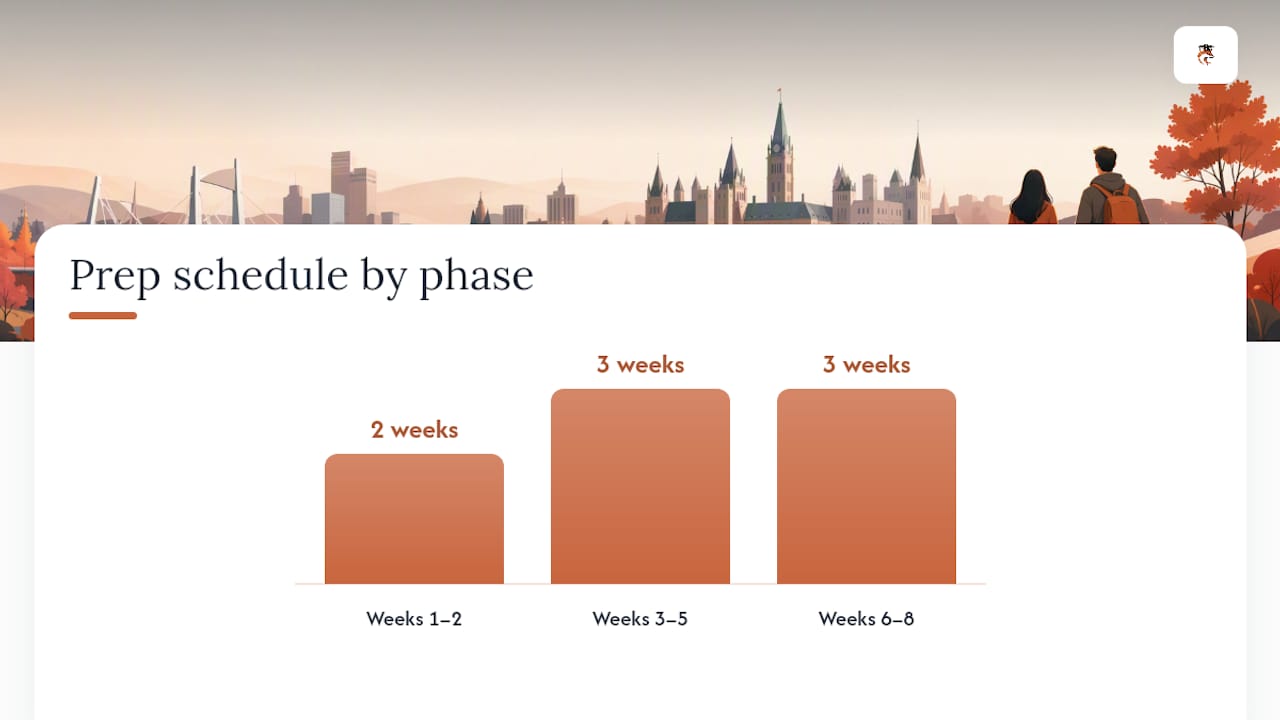
Effective short-term prep isn’t about cramming content. Alloprof recommends familiarizing students with the exam format, running timed practice under conditions that mirror the real test, and building in genuine rest to keep anxiety manageable. The same guidance suggests spreading 10 to 15 hours of focused study over several weeks rather than compressing it into a few marathon sessions.
A workable pattern for most Gatineau families:
- Weeks 1 to 2: Diagnose gaps and introduce the exam format.
- Weeks 3 to 5: Timed practice sections, building speed and accuracy.
- Weeks 6 to 8: Full mock exams under simulated conditions, with a final review of trouble spots.
Why personalised, university-level tutoring tends to work better
Generic tutoring plans treat every student the same, and that’s exactly where they fall short. A tutor who adjusts pace, method, and material to your child’s actual gaps gets results faster than a one-size-fits-all worksheet package. Réussite A+ built its approach around that idea, drawing on more than 25 years of experience, university-level tutors, and ongoing progress tracking rather than a fixed curriculum applied to every student.
The proof is in the numbers: Réussite A+ has helped over 3,500 students with a 99% satisfaction rate. That kind of consistency across a large group of students only happens when the methodology adapts to the individual, not the other way around.
— Réussite A+
Getting started with Réussite A+ in Gatineau
This type of service is a practical alternative to hunting through classified listings and cold-calling tutors one by one. Instead of guessing whether a stranger’s rate and availability will actually work for your family, you get a matched, university-level tutor and a learning plan built around your child’s specific gaps in French or math, all delivered online with flexible scheduling.
Getting started follows a simple path: a first assessment to identify where your child stands, a customised learning plan built from that assessment, then regular sessions with progress reports so you can see what’s actually improving. Families can choose from regular tutoring sessions for ongoing support, dedicated exam-prep sessions for entrance and ministerial tests, summer sessions to prevent learning loss, or focused French tutoring for students needing extra support with the language.
Every service runs at $30 to $35 per hour, with a one-time $65 registration fee covering the initial assessment. Curious what a first session actually looks like? Read through the step-by-step breakdown of a typical online tutoring session before you book.
Sources
- Alloprof — guides and resources for parents and students
- Guides for parents on ministerial examinations at the elementary and secondary levels | Gouvernement du Québec
- Information for parents preparing for the online secondary school admissions exam (St George’s)
FAQ
Is tutoring tax deductible in Canada?
Private tutoring fees are generally not tax deductible for most Canadian families, though some tutoring related to a diagnosed learning disability may qualify as a medical expense. Check with the Canada Revenue Agency or a tax professional to confirm your specific situation.
How can I get a tutor for free?
School referral programs, community centres, and municipal resources listed on the Gatineau municipal portal sometimes offer free or subsidised tutoring, particularly for students who qualify based on academic need.
How much does a tutor cost per hour in Canada?
Rates vary by tutor type and region, ranging from near-peer student rates on the lower end to certified-teacher rates on the higher end, with university-level subject tutors typically falling in between.
How much should online tutoring cost?
Réussite A+ charges $30 to $35 per hour for its regular sessions, homework help, and exam-prep programs, plus a one-time $65 registration fee.