


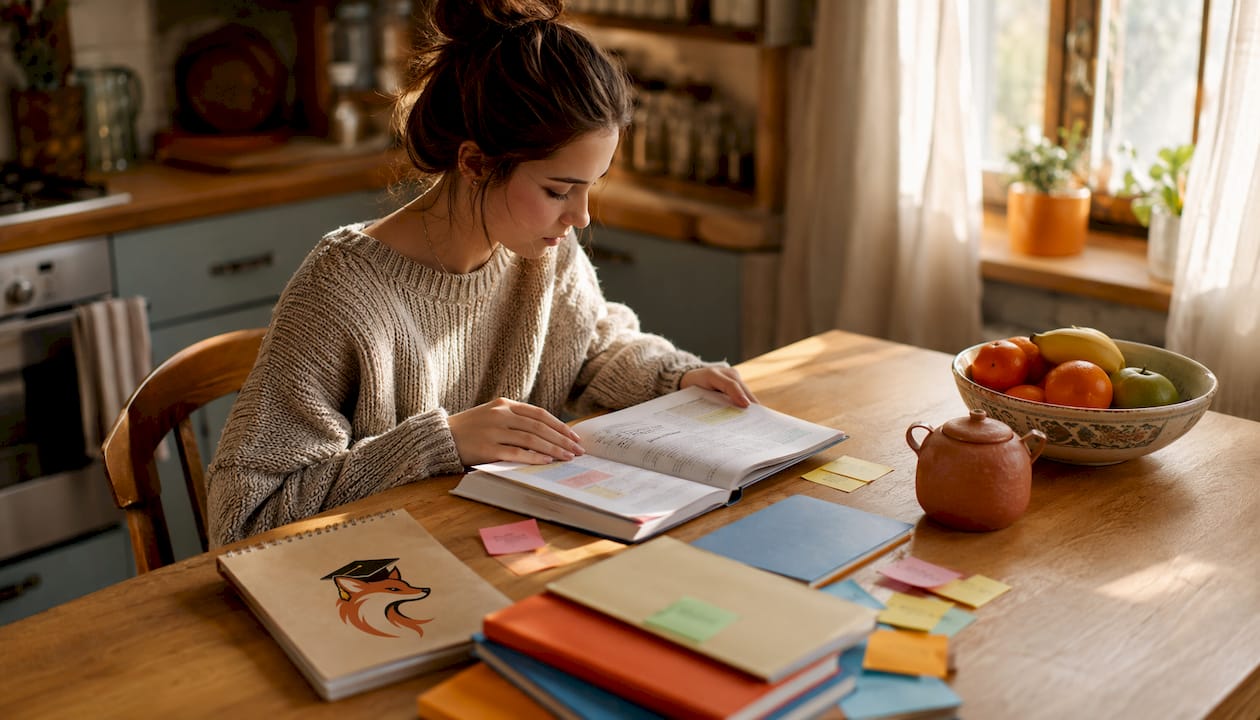
A learning French for beginners book is a structured resource that combines clear grammar instruction, practical vocabulary, and guided exercises to give new learners a solid foundation. The right book prevents the frustration that comes from jumping between apps, videos, and random worksheets with no clear path forward. Language experts recognize the Common European Framework of Reference (CEFR) A1 level as the starting point for absolute beginners, and the best beginner books are built around those benchmarks. Choosing the wrong book level causes demotivation and slows progress. Starting with the right resource, used consistently, makes all the difference.
What makes a good learning French for beginners book?
A strong beginner French book does four things well: it explains grammar in plain English, introduces vocabulary gradually, provides example sentences in context, and includes exercises with clear feedback. Effective beginner books avoid overwhelming vocabulary and build grammar step by step to keep motivation high. That structure matters more than any flashy feature.
The best beginner French study materials also reflect how adults actually learn. You need to see a word used in a sentence, not just listed in a glossary. Books that integrate vocabulary into short dialogues or stories help your brain store words in context, which makes them easier to recall later.

One more quality to look for: the book should feel manageable. If you open it and feel lost on page three, it is not the right fit for your current level.
Types of beginner French books and how they serve different needs
Not every French language beginner guide works the same way. Knowing the categories helps you build a smart, focused reading list.
- Structured textbooks are the backbone of any beginner plan. They cover pronunciation, core grammar rules, and essential vocabulary in a logical sequence. They are the best starting point for anyone who wants to understand how French works, not just memorize phrases.
- Graded readers are short books written with controlled vocabulary at a specific level. Reading at about 98% comprehension is the fastest route to fluency, and graded readers hitting around 1,600 headwords give beginners that optimal level. They build reading speed and confidence without the frustration of a dictionary on every page.
- Bilingual books present French text alongside an English translation. They work well for self-learners who want to read real content without getting stuck. The risk is over-relying on the English side, so use them as a bridge, not a crutch.
- Children’s books and illustrated stories use simple sentences and repetitive structures. They are genuinely useful for adults at the A1 level because the language is clear and the visuals provide context clues.
- Grammar reference guides serve as supplements, not main resources. You reach for them when your textbook raises a question you want to explore further. They are not meant to be read cover to cover at the beginner stage.
The key insight here is that each book type serves a different skill. Textbooks build your grammar foundation. Graded readers build fluency. Bilingual books build comprehension. Mixing one or two types intentionally produces better results than collecting a shelf full of books you never finish.
How to choose the right book for your goals and proficiency
The single most important step before buying any book is identifying your current level and your primary goal. Those two factors determine everything else.
Assess your level first. If you know zero French, you are at CEFR A1. If you can handle basic greetings and simple present-tense sentences, you are approaching A2. Most beginner books label their target level clearly on the cover or in the introduction. Trust that label.
Match the book to your goal. Your goal shapes which book type to prioritize:
- Want to speak conversationally? Choose a textbook with heavy dialogue practice and audio components.
- Want to read French novels eventually? Start with graded readers alongside your textbook.
- Studying independently without a tutor? A bilingual edition or a textbook with detailed English explanations will serve you better than one designed for classroom use.
- Focused on grammar accuracy? A structured textbook with integrated exercises is your core resource.
Limit your book count. Beginners should stick to one structured textbook at A1, with at most one controlled reading companion. More books create the illusion of progress without producing it. Finishing one book thoroughly beats starting five and abandoning them all.
Check these features before you buy:
- Clear, simple grammar explanations in English
- Vocabulary introduced gradually, not dumped in long lists
- Example sentences that show words in real context
- Exercises with answer keys so you can check your work independently
- A logical progression from simple to more complex topics
Pro Tip: Before buying, read the first three pages of any book online or in a store. If you understand the explanations and feel challenged but not lost, it is the right level. If you feel confused immediately, go one level easier.
8 top beginner French books and who each one suits best
The best French books for beginners span several formats. Here are eight well-regarded options, each suited to a different type of learner.
1. French All-in-One for Dummies
This textbook covers grammar, vocabulary, and culture in one volume. It uses plain English explanations and includes practice exercises throughout. Best for: self-learners who want a single comprehensive reference at the A1–A2 level.
2. Short Stories in French for Beginners
This graded reader pairs French stories with English translations on facing pages. Each story targets A1–A2 vocabulary and includes a glossary and comprehension questions. Best for: beginners who want to build reading fluency alongside their main textbook.
3. Easy French Step-by-Step
This book teaches grammar through a logical building-block sequence. Each chapter adds one new concept and connects it to what came before. Best for: learners who prefer a structured, grammar-first approach.
4. Le Petit Prince (bilingual edition)
Antoine de Saint-Exupéry’s classic uses poetic but accessible French. A bilingual edition lets you read the original with English support. Best for: motivated beginners at the upper A2 level who want early exposure to authentic literary French.
5. French Grammar in Practice
This workbook focuses entirely on grammar exercises. It is not a standalone course but an excellent supplement for learners who want extra practice on specific rules. Best for: beginners who have a main textbook and want targeted grammar drilling.
6. Assimil French with Ease
This course uses a dialogue-based method with 100 lessons. Each lesson is short, conversational, and builds on the previous one. Best for: learners who prefer audio-integrated study and want to develop an ear for natural French speech.
7. French Children’s Books (illustrated picture books)
Books like those in the “Je Lis Avec Sami et Julie” series use repetitive sentence patterns and illustrations to reinforce vocabulary. Best for: absolute beginners, including younger learners, who need maximum visual support.
8. Bescherelle: La Conjugaison pour Tous
This is the definitive French verb conjugation reference. It covers every tense and verb group with clear tables. Best for: any beginner who wants a reliable reference to check verb forms without wading through a full textbook chapter.
Pro Tip: Pair one book from the textbook category with one graded reader. That combination covers grammar input and reading practice simultaneously, which is the most efficient setup at the A1 level.
| Book | Type | Best for | Level |
|---|---|---|---|
| French All-in-One for Dummies | Textbook | Self-learners wanting one resource | A1–A2 |
| Short Stories in French for Beginners | Graded reader | Building reading fluency | A1–A2 |
| Easy French Step-by-Step | Textbook | Grammar-first learners | A1–A2 |
| Le Petit Prince (bilingual) | Bilingual reader | Motivated upper beginners | A2 |
| Assimil French with Ease | Audio-integrated course | Conversational learners | A1–A2 |
| Bescherelle: La Conjugaison | Reference guide | Verb conjugation support | All levels |
Where to find free resources to supplement your French books
Books do the heavy lifting, but free resources fill the gaps between study sessions. The key is using them to reinforce what your book teaches, not to replace it.
- Quebec’s free online French platform offers about 70 hours of self-paced content across three modules. It includes videos, grammar summaries, vocabulary with audio, and exercises with feedback. It is built around practical everyday situations, which makes it a natural companion to any beginner textbook.
- Project Gutenberg and Gallica both offer free public-domain French texts including classics, short stories, and children’s tales. These work best once you have finished your first graded reader and want more reading practice at no cost.
- French podcasts and radio train your ear for natural speech rhythm and pronunciation. Listening to French for even 10 minutes a day accelerates your ability to recognize words you have already studied in your book.
- Free community French programs in Quebec, such as those offered by non-profit centers, provide structured courses ranging from 4 to 30 hours per week depending on the program format. These are worth exploring if you want live practice alongside your self-study.
The most effective approach combines your core textbook with one free digital resource. You can also explore online French resources that pair well with book-based study for French and math learners in Quebec.
Managing unknown words is a skill in itself. When reading, resist the urge to look up every unfamiliar word. If you can understand the sentence without it, keep reading. Stop only for words that appear repeatedly or block comprehension entirely.
Key Takeaways
The most effective approach to learning French as a beginner is one structured textbook paired with one graded reader, used consistently every day.
| Point | Details |
|---|---|
| Start with one textbook | Choose a single A1-level textbook with clear English explanations and built-in exercises. |
| Add one graded reader | Pair your textbook with a graded reader at 1,600 headwords for optimal reading fluency. |
| Match books to your goal | Speaking, reading, and grammar goals each call for a different primary book type. |
| Limit your book count | Sticking to one or two books at A1 builds better habits than collecting many resources. |
| Use free tools to supplement | Quebec’s free online platform and Project Gutenberg extend your study at no extra cost. |
What 25 years of teaching French beginners has taught us
At Réussite A+, we have seen the same pattern repeat with beginner French learners: they buy three or four books in the first week, feel excited, and then stall by week three because no single resource has their full attention. The books pile up. The habit never forms.
The learners who make the fastest progress do the opposite. They pick one textbook, commit to 20 minutes a day, and finish it before touching anything else. That consistency compounds. By the time they add a graded reader, they have a grammar foundation that makes reading feel rewarding instead of exhausting.
We also see beginners underestimate reading practice. They treat it as a bonus activity rather than a core skill. Integrating graded readers early builds contextual vocabulary comprehension that no vocabulary list can replicate. A word learned in a story sticks far longer than a word memorized from a list.
The other mistake worth naming: choosing a book because it looks impressive, not because it fits your level. A beautiful hardcover grammar guide written for B2 learners will not help you at A1. It will frustrate you. Match the book to where you are now, not where you want to be in two years.
Our honest advice is this: buy one good textbook, read it slowly and carefully, do every exercise, and check every answer. That single habit, repeated daily, will take you further than any collection of resources ever could. For learners who want structured guidance alongside their books, effective study methods make a measurable difference in how quickly those habits take hold.
— Réussite A+
How Réussite A+ helps beginner French learners go further
Books give you the foundation. A great tutor helps you use it.
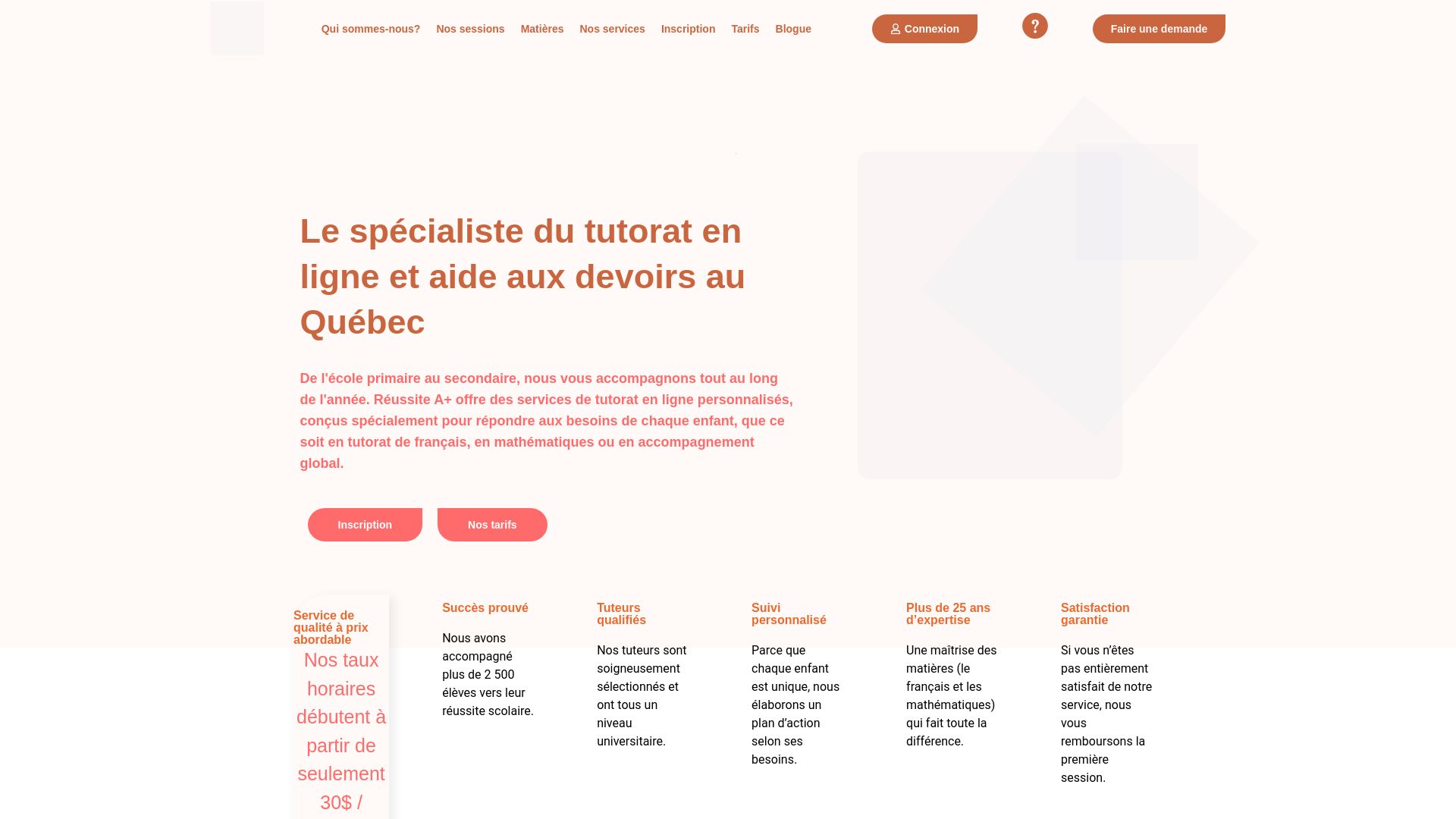
Réussite A+ offers personalized online French tutoring for elementary and secondary students across Quebec. Every student receives a customized learning plan built around their current level, goals, and pace. Tutors reinforce exactly what your beginner French study materials cover, filling gaps and correcting errors before they become habits. With more than 3,500 students helped and a 99% client satisfaction rate, Réussite A+ has a proven track record of turning struggling beginners into confident French speakers. Discover the benefits of online tutoring and see how expert support accelerates what your books start. You can also explore French tutoring services tailored specifically for learners in Montreal, Laval, and across Quebec.
FAQ
What is the best learning French for beginners book?
French All-in-One for Dummies and Easy French Step-by-Step are consistently recommended for absolute beginners because they use plain English explanations and build grammar gradually. Pairing either with Short Stories in French for Beginners covers both grammar and reading fluency.
How many French books should a beginner use at once?
Beginners should use one structured textbook and at most one graded reader at the A1 level. Using more books at once creates confusion and breaks the daily habit that drives real progress.
What CEFR level should a beginner French book target?
Absolute beginners should look for books labeled A1 under the Common European Framework of Reference. Once basic grammar and vocabulary are solid, A2-level materials become the appropriate next step.
Are free online resources enough to replace a beginner French book?
Free platforms like Quebec’s self-paced French program provide strong supplementary content, but they work best alongside a structured textbook. A book provides the organized grammar progression that most free tools do not replicate.
How long does it take to finish a beginner French textbook?
Most A1 textbooks take 2–4 months to complete at a pace of 20–30 minutes of daily study. Finishing one book thoroughly produces better results than rushing through multiple books in the same period.