




If your child needs extra help, start by checking your school’s tutoring availability this week, then book an assessment with a vetted private provider if gaps remain. Families in Pont-Viau can choose from school-run programmes, community volunteers, or private in-person and online tutoring, including Réussite A+. The right fit depends on cost, frequency, and how closely the tutor’s approach matches your child’s classroom curriculum.
TL;DR:
- Regular sessions two to three times per week are most effective for closing learning gaps, especially with small-group or one-to-one formats.
- Private tutors typically charge $45 to $50 per hour, with group or community programs offering lower costs but less personalized progress tracking.
- The best tutors follow the Quebec curriculum, conduct initial assessments, and provide ongoing progress reports to ensure targeted, measurable improvements.
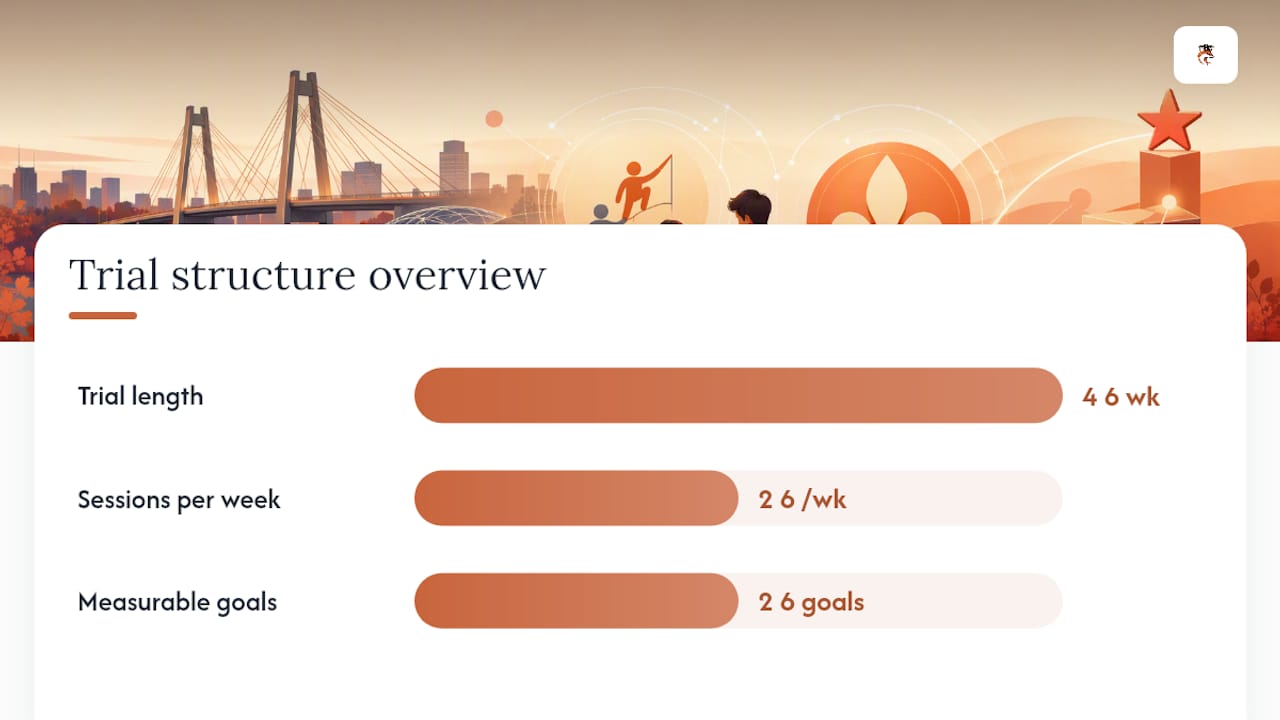
- Starting tutoring early after noticing consistent difficulty, and maintaining a four to six-week trial period with clear goals, helps determine the right fit.
- Réussite A+ offers online, curriculum-aligned tutoring with university-level tutors, personalized plans, and proven success for students in Pont-Viau.
Table of Contents
- What tutoring options do Pont-Viau families typically find?
- What do tutoring sessions cost, and how often should they happen?
- How do you choose the right tutor or programme?
- What does the evidence say about effective tutoring?
- How Réussite A+ supports Pont-Viau families
- When should tutoring start, and what should you expect?
- Where to read more
- Sources
- FAQ
What tutoring options do Pont-Viau families typically find?
Most parents start with what’s already available at school. Quebec’s programme de tutorat funds in-school support, but rollout varies from one school to another because of staffing shortages and scheduling constraints. Some schools offer weekly sessions; others struggle to staff the programme consistently.
Community and volunteer options fill some of that gap. Organizations that coordinate volunteer tutors typically offer homework help and light mentoring, according to listings on platforms like JeBénévole. These programmes work well for occasional homework support but rarely offer the structured, curriculum-aligned progression a child needs to close a real academic gap.
Private tutoring, whether in-person or online, gives you more control over consistency and pacing:
- In-person tutoring suits younger children or those who need close supervision and hands-on materials.
- Online tutoring offers flexible scheduling and access to specialized tutors regardless of your street address.
- School and community options work best for minor, occasional gaps rather than sustained remediation.
- Private programmes make more sense for exam prep or when a child has fallen significantly behind grade level.
What do tutoring sessions cost, and how often should they happen?
Session length and frequency matter more than most parents expect. Weekly one-hour sessions work for maintaining steady progress, while children catching up on a specific skill often need two or three sessions a week over a defined stretch.
Independent analysis on tutoring effectiveness backs this up: programmes with the strongest results tend to run multiple sessions per week in small groups or one-to-one rather than occasional, spread-out check-ins.
Pricing snapshot for Quebec families:
- Qualified private tutors typically charge $45 to $50 per hour, according to reporting on the province’s growing private tutoring market.
- Group sessions or community-based programmes usually cost less per child than one-on-one private tutoring.
- Prep materials, tutor credentials, and progress tracking tools can raise the price of a package but often improve outcomes.
- School-run tutoring and some community centre programmes remain free or low-cost, though availability depends on your child’s school.
Pro Tip: Ask any provider whether their rate includes progress reports and custom materials, or whether those come as add-ons. A lower advertised rate sometimes hides extra costs later.
How do you choose the right tutor or programme?
Picking a tutor shouldn’t feel like a gamble. Work through this checklist before committing to anything longer than a trial period:
- Confirm curriculum alignment. Ask whether the tutor follows the Quebec curriculum for your child’s grade and subject.
- Check tutor qualifications. University-level training in the subject matters more than a generic “tutoring certificate.”
- Ask about assessment. A serious provider evaluates your child’s current level before proposing a plan, not after the third session.
- Request progress reporting. You should receive regular updates, not vague reassurances that “things are going well.”
- Clarify group size and frequency. One-to-one or small-group formats with two to three weekly sessions tend to produce faster gains.
During your first contact, ask direct questions: How do you measure progress? What happens if my child isn’t improving after a month? Can I see a sample lesson plan?
Structure your trial period around four to six weeks with two or three measurable goals, such as raising a test average by a specific margin or completing homework independently more often. This window gives enough time to judge real change without locking into a long commitment, an approach backed by researchers who note that short trial periods with defined goals help parents evaluate fit before committing further.
Watch for red flags: no initial assessment, vague talk about “building confidence” with no measurable goals, or no willingness to report progress. These usually signal a provider without a real methodology.
What does the evidence say about effective tutoring?
Quebec’s own tutoring framework sets the bar clearly. The government’s programme de tutorat recommends small groups, trained staff, and recurring sessions rather than occasional drop-in help.
Reporting on how that funding played out in practice shows a mixed picture:
Radio-Canada’s coverage of the province’s tutoring investment found that the money improved outcomes overall, but results depended heavily on whether schools stuck to best practices like small groups and regular scheduling. Where staffing fell short, the benefits shrank.
CBC reported a further $300 million in Quebec tutoring funding aimed at helping students catch up after labour disruptions, with sessions offered outside regular school hours on a voluntary basis. That scale of investment confirms tutoring works when it’s dosed correctly, but it also confirms schools can’t always deliver it consistently.
Here’s what that means for your decision:
- Prioritize regular, frequent sessions over sporadic ones.
- Choose tutors with real subject training, not just goodwill.
- Treat private tutoring as a complement to school support, not a replacement for classroom learning.
- Expect the strongest results from small-group or one-to-one formats.
How Réussite A+ supports Pont-Viau families
There are other routes to extra help, school programmes, community volunteers, drop-in homework clubs, and each has its place for light or occasional support. When your child needs steady, structured progress, Réussite A+ gives Pont-Viau families a private option built specifically around the checklist above: real assessment, curriculum alignment, and progress you can actually track.

Every student starts with an assessment of current strengths and gaps, then gets a customized learning plan focused on French and mathematics, the two subjects most Quebec families ask about first. Tutors are selected at the university level, not simply assigned from a pool, and Réussite A+ has built that model over more than 25 years, helping over 3,500 students while maintaining a 99% client satisfaction rate.
Sessions run entirely online, which means no commute across Pont-Viau in winter traffic and easier scheduling around hockey practice or homework crunches. If you want to see what a tailored plan and flexible online tutoring look like for your child, book an assessment through the tutoring registration page and get a plan built around your child’s actual gaps, not a generic worksheet package.

When should tutoring start, and what should you expect?
Start tutoring as soon as you notice a pattern, not a one-off bad test. A slipping grade, growing anxiety around homework, or repeated confusion on the same type of problem over two or three weeks is your signal.
Most families see measurable movement within six to twelve weeks of consistent sessions: steadier grades, less homework resistance, better independent work habits. Keep your child’s teacher in the loop. A tutor who knows what’s happening in the classroom each week can adjust faster than one working from guesswork alone.
— Réussite A+
Where to read more
- Programme de tutorat, Government of Quebec, for official tutoring guidelines and eligibility.
- Les millions investis en tutorat en ont valu la chandelle, Radio-Canada, on how provincial funding played out.
- Quebec announces $300M tutoring plan, CBC, on the latest provincial investment.
- L.A. Unified struggles to reach students with tutoring, Los Angeles Times, for comparative context on public programme limits.
Sources
- Programme de tutorat | Gouvernement du Québec
- Les millions investis en tutorat en ont valu la chandelle | Radio‑Canada
- Le recours au tutorat en pleine croissance | La Presse
- Retour à l’école : le tutorat, une des solutions au rattrapage scolaire | The Conversation
FAQ
How much does tutoring cost in Quebec?
Qualified private tutors typically charge $45 to $50 per hour, though group sessions and community programmes often cost less.
How often should my child attend tutoring sessions?
Weekly sessions maintain steady progress, but children working to close a specific gap benefit most from two to three sessions per week over a focused period.
Is school tutoring or private tutoring better?
School tutoring is free but availability varies by staffing, while private tutoring, including options like Réussite A+, offers more consistent scheduling and a tailored plan built around your child’s specific gaps.
How do I check a tutor’s qualifications?
Ask directly about their subject training and whether they align lessons with the Quebec curriculum; a serious provider will also assess your child before proposing a plan.
Is online tutoring as effective as in-person tutoring?
Online tutoring can match in-person results when sessions are regular and well-structured, and it often gives families more flexibility with scheduling and tutor selection.