



Evidence-based dyslexia tutoring improves decoding, fluency and comprehension, and it tends to boost confidence and classroom participation along the way. Structured literacy delivered by a trained tutor, like the programs we build at Réussite A+, pairs those academic gains with steady, data-driven progress monitoring. The result is a child who reads better and feels better about reading.
TL;DR:
- Choose a tutor who teaches phonics explicitly and cumulatively, uses multisensory practice, and starts at your child’s current skill level rather than grade level.
- Ask for weekly one minute oral reading checks that track speed and accuracy; if growth stalls across four to six data points, change the approach.
- Expect early gains in specific skills during the first four weeks, with fluency and independent reading gains often emerging within three to six months.
- Réussite A+ charges $30 to $35 per hour for regular tutoring, plus a single $65 registration fee for new families; confirm both before booking.
Table of Contents
- Academic benefits: decoding, fluency, comprehension and spelling
- Emotional and motivational benefits: confidence, engagement and less frustration
- Evidence-based methods: structured literacy and multisensory teaching
- Measuring progress: tools, timelines and when to adjust
- How to choose a dyslexia tutor
- Our approach at Réussite A+: matching the evidence
- Getting started with Réussite A+
- FAQ
- Sources
Academic benefits: decoding, fluency, comprehension and spelling
Good dyslexia tutoring works on the specific skills that trip up struggling readers: sounding out unfamiliar words, recognizing common words on sight, reading smoothly instead of word by word, and understanding what the text actually says. Spelling improves alongside decoding because the two skills draw on the same phonological foundation.
Parents usually notice the shift before a report card confirms it. A child who used to stumble over every third word starts reading a paragraph out loud without long pauses. Homework that once ended in tears gets finished without a fight. Your child might start sounding out an unfamiliar word instead of guessing from the first letter, a small habit that signals real decoding growth.
A meta-analysis of reading interventions for struggling readers aged roughly 9 to 15 found moderate positive effects on word identification, decoding and comprehension. Structured, systematic tutoring produces measurable literacy gains, not just a vague sense of improvement, which is why tracking the right skills matters from the first session.
What typically shifts first:
- Fewer reading errors during oral reading, especially on multisyllable words.
- Faster, smoother oral reading with fewer long pauses.
- More homework completed independently, without a parent sitting beside every sentence.
- Spelling that reflects sound patterns rather than memorized shapes.
Emotional and motivational benefits: confidence, engagement and less frustration
Skill gains and emotional gains move together. When a child starts succeeding at something that used to feel impossible, the shift in attitude is often as noticeable as the shift in reading level. A study on self-regulated strategy instruction found that teaching children to set goals and monitor their own progress produced large effects on motivation and effort, which lines up with what tutors see in practice: small, visible wins build the willingness to keep trying.
Confidence rebuilt this way tends to spill into the classroom. A child who used to avoid raising their hand starts volunteering to read aloud. Avoidance behaviours, like “forgetting” a reading assignment, fade as the task feels less threatening.
Parents commonly report:
- Less resistance to reading time at home.
- A child who asks to read a sentence again instead of giving up on it.
- More willingness to attempt new or harder material in class.
Pro Tip: Celebrate small wins out loud, like finishing a page without help, rather than waiting for a big milestone like a report card.
Evidence-based methods: structured literacy and multisensory teaching
Not every tutoring approach produces the same results. Professional guidance on structured literacy recommends explicit, systematic, cumulative instruction delivered by a knowledgeable tutor as the standard for children with dyslexia, and the methods below reflect that guidance.
- Structured literacy first. Phonological awareness and phonics are taught explicitly and in a planned sequence, not picked up incidentally through exposure to books.
- Multisensory reinforcement. Pairing sound, sight and movement (saying a sound while tracing the letter, for example) helps the brain build stronger connections between symbols and sounds.
- Start at the skill level, not the grade level. Expert guidance on instruction for struggling readers is clear that pushing grade-level text before a child has mastered the underlying decoding skills undermines progress rather than accelerating it.
In bilingual settings, including French immersion classrooms, phonological awareness training tailored to the target language has been shown to close word-reading gaps even when a child is learning to read in a second language. For families navigating French-language programs specifically, our guide on French tutoring for dyslexia walks through what that looks like in practice.
Measuring progress: tools, timelines and when to adjust
A tutor who cannot show you progress data is asking you to take results on faith. Progress monitoring tools like weekly oral reading fluency probes and decoding checks let a tutor see, in real numbers, whether a child’s skills are moving in the right direction, instead of waiting months for a report card to confirm it.
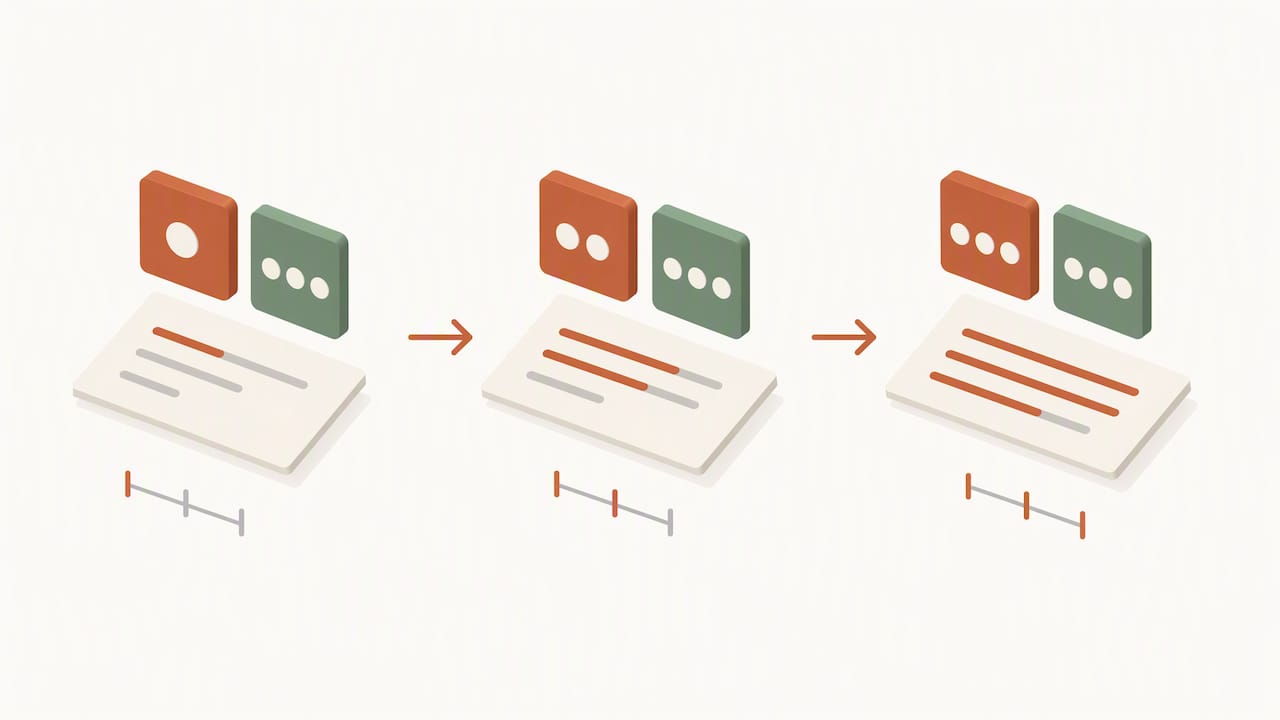
A practical version of this looks like a one-minute oral reading fluency probe each week, with words-per-minute and accuracy plotted on a simple graph. If growth stalls across four to six data points in a row, that is the signal to change the instructional approach rather than keep repeating it.
What to expect, roughly:
- Weeks 1 to 4: small gains in specific skills, like faster sounding-out of short words.
- Three to six months: noticeable gains in fluency and independent reading, visible both in session data and at home.
- Ongoing: periodic reassessment to confirm the plan still matches the child’s current level.
A meta-analysis of reading interventions reports moderate effect sizes on decoding and comprehension, which is the kind of change parents should expect to see reflected in progress-monitoring data over a few months, not overnight.
How to choose a dyslexia tutor
The right tutor combines training with a genuine fit for your child. A first call and a trial lesson tell you most of what you need to know.
- Ask about training in structured literacy and direct experience working with dyslexic learners, not general tutoring experience alone.
- Ask how progress will be tracked and how often you will see the data, not just a verbal update.
- Watch the trial lesson closely: does the tutor start at your child’s actual skill level, and does your child seem engaged rather than anxious?
- Ask about scheduling frequency, since consistent, shorter sessions tend to outperform occasional long ones for skill retention.
- Confirm pricing upfront, including any registration fee, so there are no surprises after the first session.
Canadian guidance from LDAC notes that early, evidence-based tutoring can be a reasonable first step for many families, sometimes before or alongside a formal psycho-educational assessment.
Pro Tip: Ask a prospective tutor to describe one way they would adjust their approach if your child were not progressing after a month.
Our approach at Réussite A+: matching the evidence
With many years of experience and a large number of students supported, we build personalized learning plans around each child’s actual starting point, not their grade level. We use continuous progress monitoring so adjustments happen quickly, consistent with the structured, data-driven approach supported by evidence.
— Réussite A+
Getting started with Réussite A+
We offer a direct path into the kind of structured, monitored tutoring described above. Our Session régulière gives children ongoing, personalized support built around their current skill level, and our tutorat et aide aux devoirs covers homework help between sessions.
A first meeting focuses on understanding where your child currently stands, not on selling a package. From there, we set a personalized plan with clear, trackable goals.
- Session régulière: ongoing personalized tutoring at rates posted on the Réussite A+ pricing page.
- Tutorat et aide aux devoirs: homework support at rates posted on the Réussite A+ pricing page.
- Programmes de tutorat en français: French-specific support at rates posted on the Réussite A+ pricing page.
- Registration: a one-time frais d’inscription of $65 applies to new families.
Book a first session through our registration page to begin with a personalized plan built around your child’s actual needs.
FAQ
Does dyslexia tutoring help?
Yes, structured, evidence-based tutoring is associated with moderate improvements in decoding, fluency and comprehension according to a meta-analysis of reading interventions. Most families also see gains in confidence and classroom participation as reading becomes less of a daily struggle.
Can dyslexics have high IQ?
Yes, dyslexia is a specific difficulty with reading and language processing, and it is not connected to a person’s overall intelligence. Many people with dyslexia perform well above average on other cognitive measures while still needing targeted support for reading and spelling.
What benefits can I get if I have dyslexia?
With structured, explicit instruction, people with dyslexia commonly see improved decoding, reading fluency and comprehension, along with stronger spelling and writing. These gains often come with increased confidence and a greater willingness to read and write without avoidance.
How much does a dyslexia tutor charge?
Rates vary by provider and region, so it is worth asking directly about hourly pricing and any registration fees before booking. At Réussite A+, regular tutoring sessions run $30 to $35 per hour, with a one-time $65 registration fee for new families.
Sources
- Systematic review on quality indicators of randomised controlled trial reading intervention studies for students in years 7-12
- Q&A | LDAC | The Learning Disability Association of Canada
- IDA dyslexia handbook / structured literacy guidance